Our Progress
Nearly five decades of work in rural Odisha. A look back at what the evidence shows.
SEE WHAT CHANGED

Forty years, measured
on the ground
Water & land outcomes
75%
Of households in intervention villages retain safely managed piped water — against a national average of 31.7%
₹120mn+
Managed by village institutions for local water and sanitation infrastructure
10,370 ha
Of cropping land showing improved yields across programme areas
Education & livelihoods outcomes
50%
Increase in paddy yields on the same parcels of land over 25 years in Thuamul Rampur, Kalahandi
630+
Men and women trained as masons — 70 –75% continue to work in the trade
85%
Of women who attended Gram Vikas residential schools now work as teachers, government officers, and entrepreneurs
In 2022, Gram Vikas commissioned three independent research teams to examine 40+ years of work in communities across Odisha. The exercise — titled Learning from the Past, Reading the Present, and Planning for the Future (LP-RP-PF) — examined distinct dimensions of Gram Vikas’s work through primary research. The teams conducted 300 interviews in Ganjam, Gajapati, Kalahandi, and Sundargarh.
Water & Sanitation
Enabling Autonomy: Gram Vikas’s Role in Nurturing Self- Managed Systems
Download PDF

Education & Intergenerational Change
Transforming Futures: Gram Vikas’s Role in Intergenerational Development
Download PDF
Agriculture & Livelihoods
Evolving Production Systems: Gram Vikas’s Role in Enabling Systemic Shifts
Download PDF
“A lot of money has been spent in our village in the name of different schemes and programmes, but none of them have lasted the way the water supply and sanitation programme has. Even now we get water on tap all through the day in our homes.”
— Community member, Odisha
Insights
What we learned
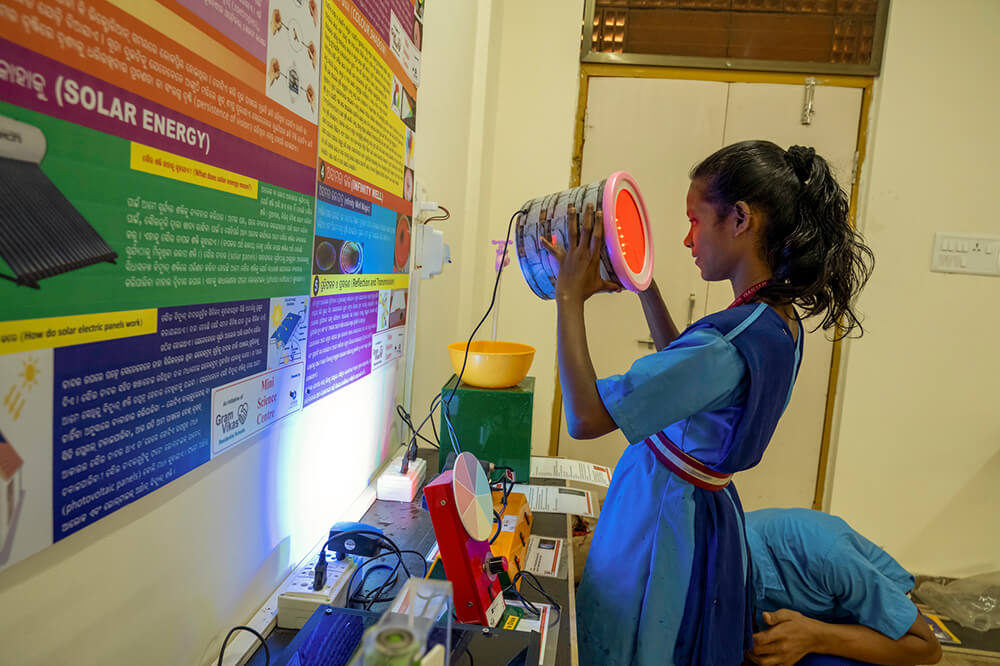
Systems that endured
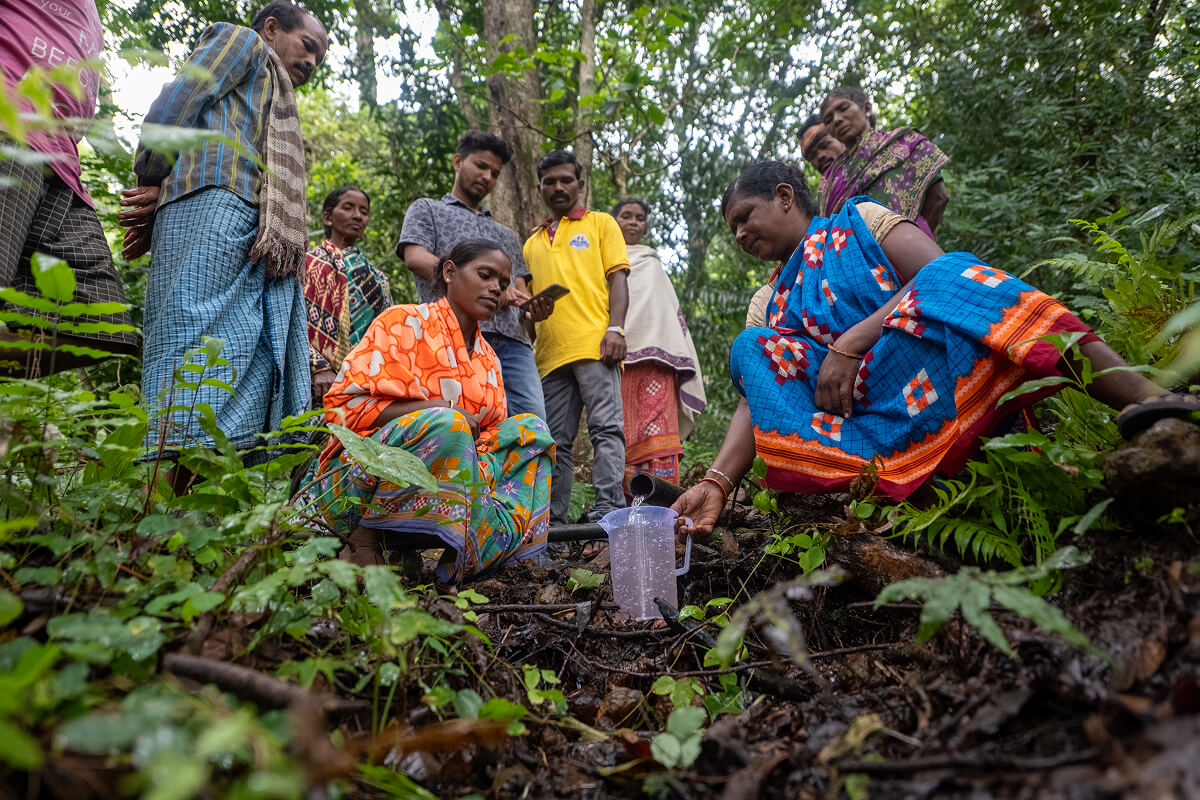
In Pergunipada, women rebuilt a water system one tree and trench at time
In 1991 — two decades before India's national sanitation mission — Gram Vikas began building community-owned piped water systems in Adivasi villages. Thirty years later, most of those systems were still running.
30–50% reduction in severe diarrhoea episodes across nearly 100 villages
79% of households have improved sanitation — against a global rural average of 43%
Village Development Committees (VDCs) managing their own systems for 8–25 years, with elected leadership, written rules, and corpus funds
Women freed from 4–5 hours of daily water collection
Water & Sanitation
Enabling Autonomy: Gram Vikas’s Role in Nurturing Self-Managed Systems
Download PDF
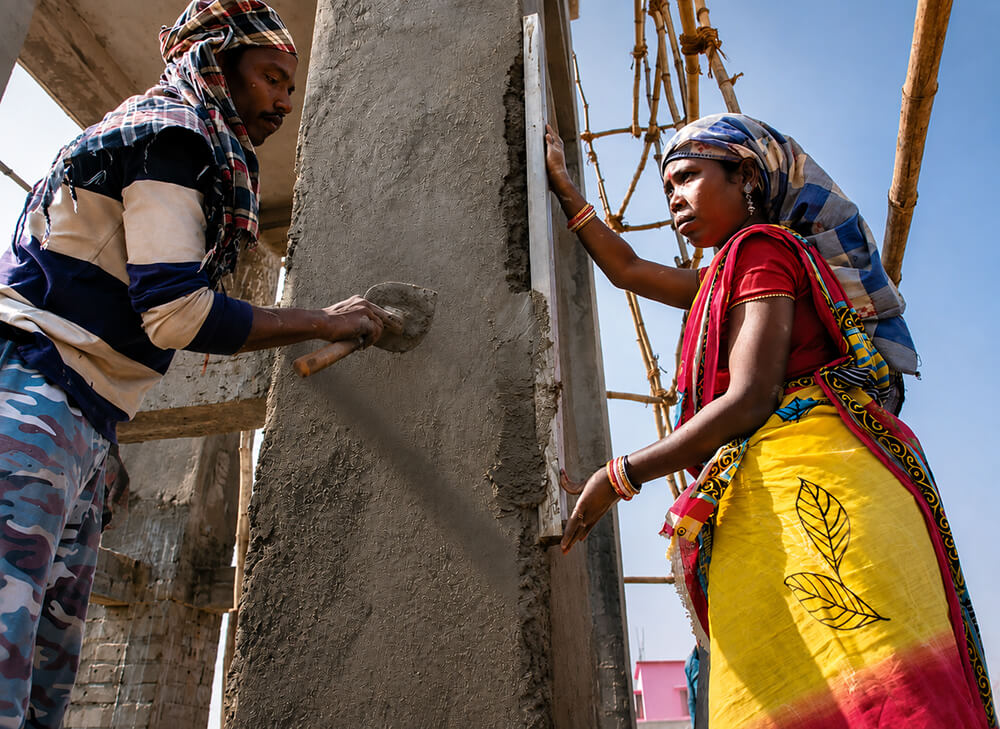
Change across generations
A generation from non-literate households in postgraduate education and professional work.
Adivasi female literacy in parts of Odisha stood at 3% in the early 1980s. Between 1982 and 1998, Gram Vikas established three residential schools across Ganjam, Gajapati, and Kalahandi. Forty years on, their first-generation students are teachers, officers, and university graduates.
49% of women alumni completed graduation or postgraduate studies; 32% of men
85% of women alumni work as teachers, government officers, and entrepreneurs; 57% of men in professional occupations
Class of 1999: 17 students cleared their Class 10 boards — all 17 hold government jobs today
Dropout rates below 5% when regional schools were losing students at far higher rates
Education & Intergenerational Change
Transforming Futures: Gram Vikas’s Role in Intergenerational Development
Download PDF
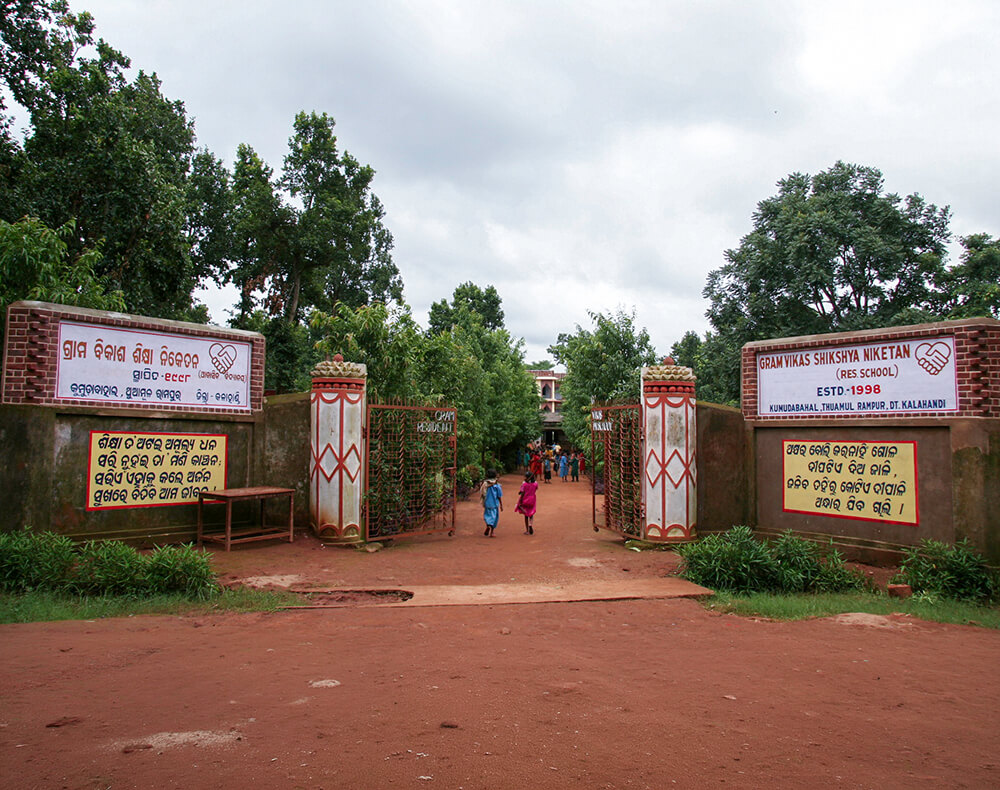
SHIFTS IN LOCAL ECONOMIES
From shifting cultivation to cash incomes, skilled trades, and better harvests.
Gram Vikas’s work in cashew cultivation, masonry, and paddy farming was introduced to address deforestation, construction needs, and food security — not primarily as livelihood programming. Over time, it reshaped how families earn a living.
80% of households in Koinpur, Gajapati now earn from cashew — introduced by Gram Vikas in 1987
630+ masons trained in Kukudakhandi, Ganjam between 1982 and 1993; 70–75% still in the trade; daily wages rose from ₹150 to ₹600
Paddy yields in Kalahandi up 50% on the same land over 25 years
After Cyclone Titli destroyed 80–85% of cashew plantations in 2018, communities replanted; yields recovering by 2021
Agriculture & Livelihoods
Evolving Production Systems: Gram Vikas’s Role in Enabling Systemic Shifts
Download PDF
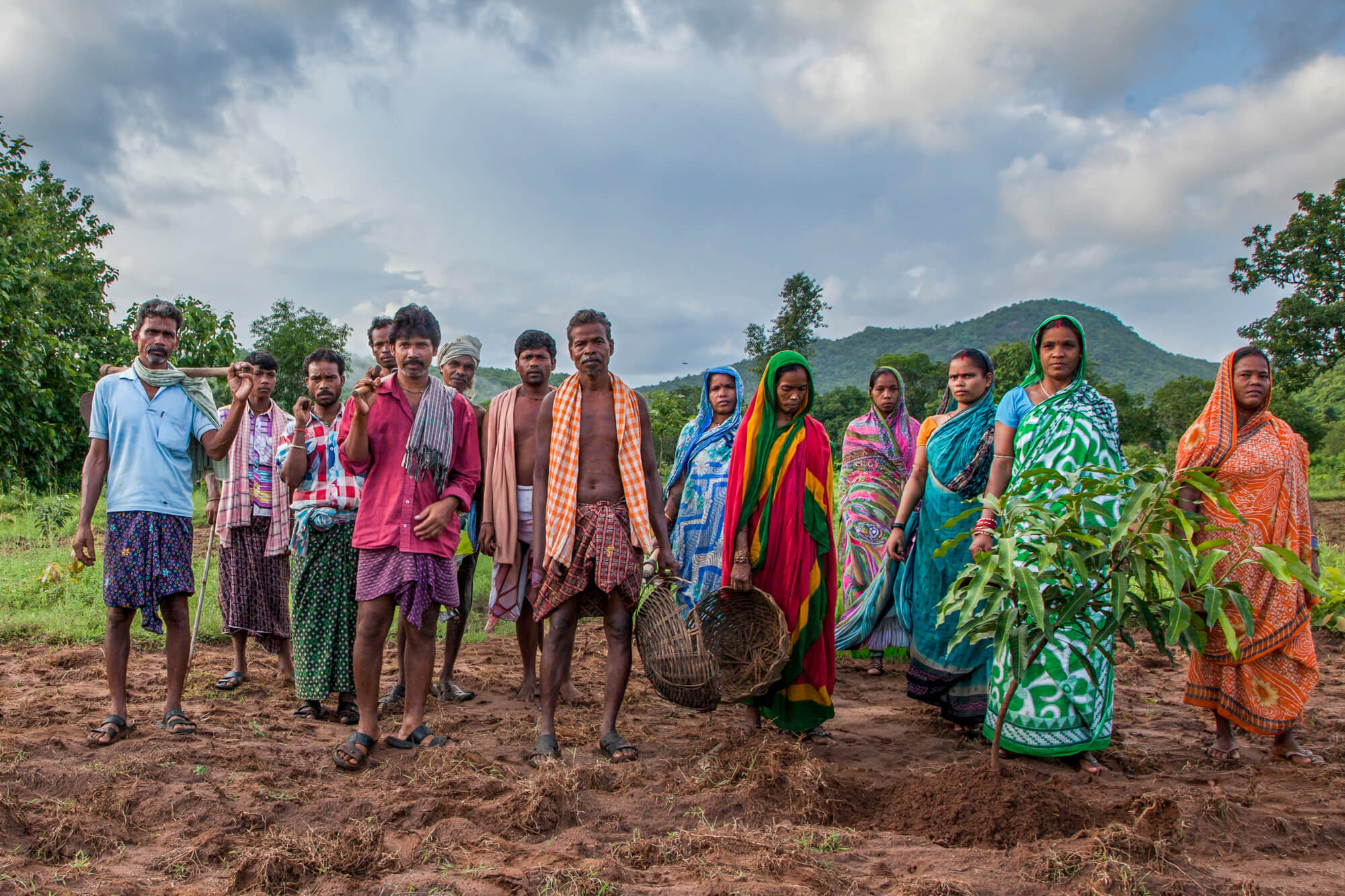
“The school has enabled me to be an independent person. My schooling inspired my sister to work hard in her academics. Many young Adivasi girls became serious about their studies.”
- Nivedita Majhi, alumna, Gram Vikas Shiksha Niketan, Kalahandi. National-level weightlifter; now an Anganwadi worker in her home village.
Read more stories
BEYOND THE VILLAGE
From village practice to national policy
Gram Vikas’s community-managed water and sanitation programme predates India’s national water and sanitation missions by two decades. The approaches developed and demonstrated in rural Odisha — 100% inclusion, community cost-sharing, locally managed infrastructure — have since informed policy design at the national level.
Since 1979, Gram Vikas has worked alongside state and national governments as both an implementing partner and a source of ground-tested evidence — demonstrating at scale what rural communities can build and sustain.
Read our history
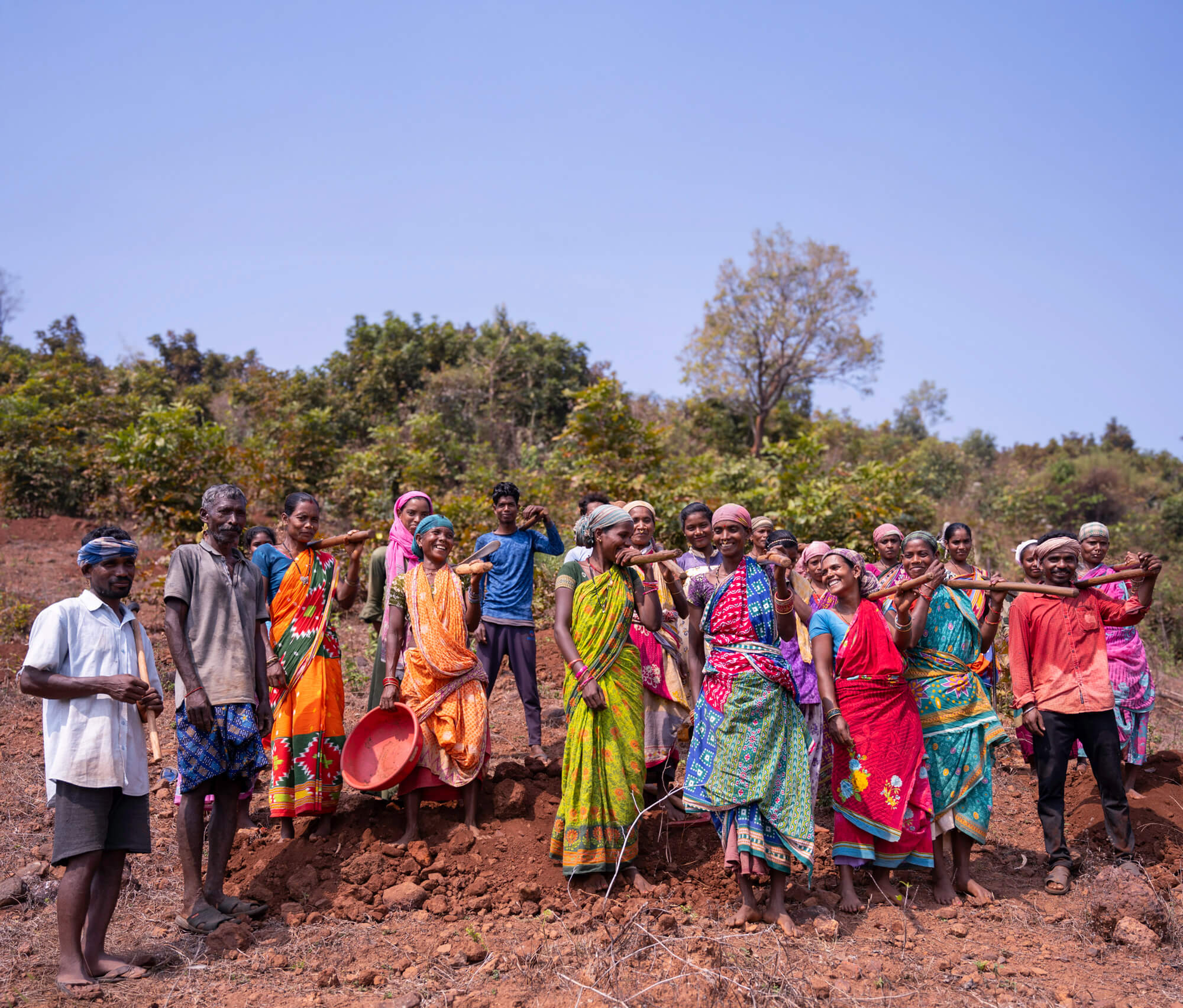
Swachh Bharat Mission & Jal Jeevan Mission
Water and sanitation systems demonstrated in 1,400+ villages contributed to the formulation of the Nirmal Bharat Abhiyan — the precursor to India’s flagship rural sanitation mission. Gram Vikas’s community-owned model continues to inform the implementation of the Jal Jeevan Mission.
Dinabandhu Biogas Programme
Co-developed the Dinabandhu biogas model with the Government of Odisha and supported the installation of more than 54,000 biogas plants across 25 of the state’s 30 districts.
Disaster-Resilient Housing
Supported the Government of Odisha to design and build cyclone-resistant habitats for more than 16,000 households in communities affected by repeated climate shocks.
1,400+
Villages with community-managed water and sanitation systems
54,000+
Biogas plants installed with the Government of Odisha
16,000+
Households in disaster-resilient housing
THE FIFTH DECADE
Building Water Secure Gram Panchayats
Gram Vikas’s programmes for the coming decade centre on extending community governance over water resources across Odisha. Gram Panchayats - the closest level of governance to 37 million rural people in Odisha - have to be at the forefront of this change. The Water Secure Gram Panchayat Programme has been underway since 2021. The early evidence is promising.
Learn about the Water Secure Gram Panchayat Programme
Since 2021
5,065 ha
Degraded land restored
58%
Water sources with water year-round
By 2030
Water Secure Gram Panchayat Programme
6 million
Households to be reachedacross 1,000 Gram Panchayats in Odisha
Gram Vikas Saathi
400
Locally trained social entrepreneursCurrently 120 members trained and deployed
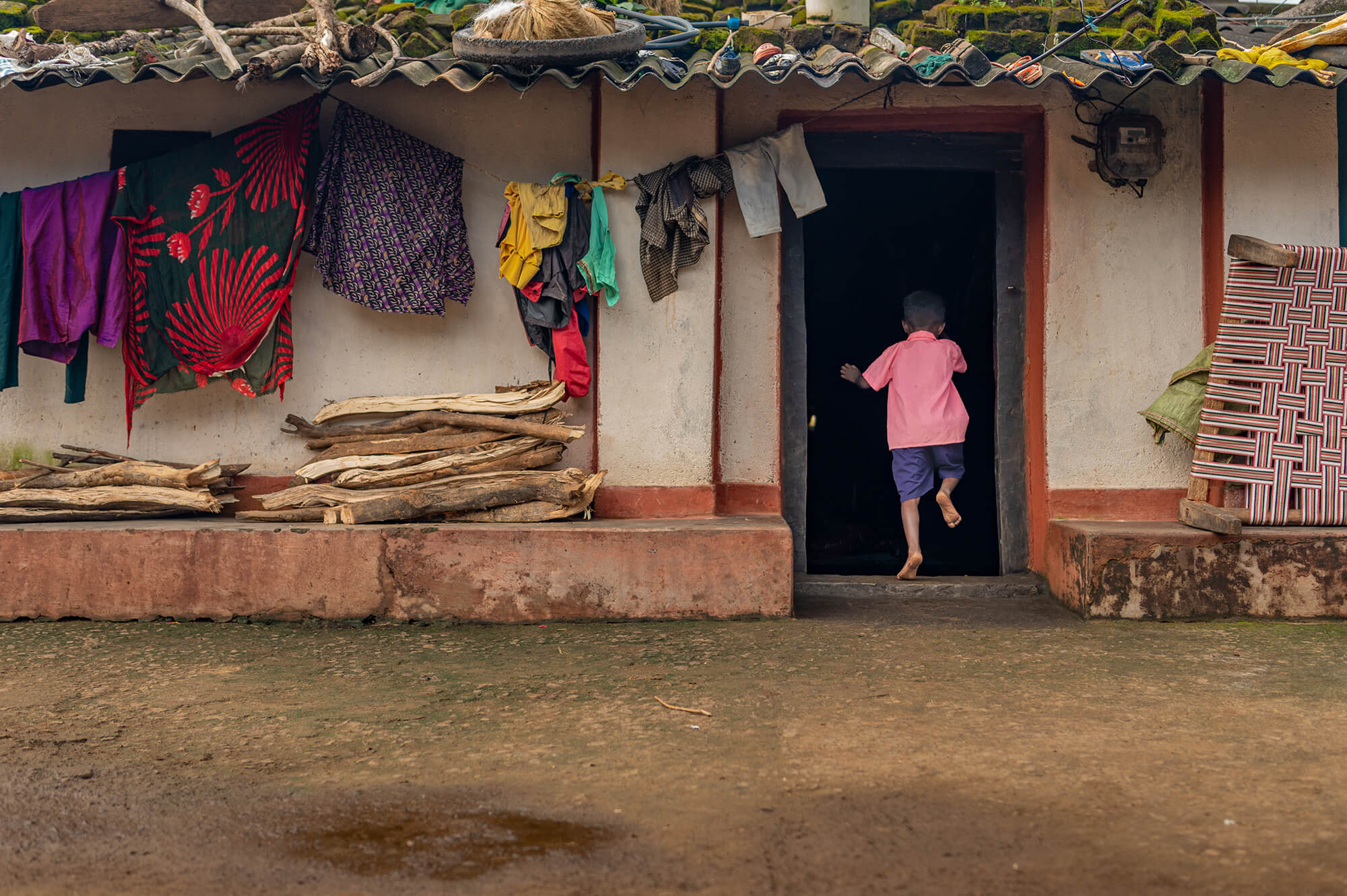
Over 50 national and international donors have supported Gram Vikas's programmes.
Built on thirty years of community-led water management, the Water Secure Gram Panchayat Programme is now active across 300 Gram Panchayats in Odisha. To explore a partnership, write to Liby Johnson, Executive Director, at ed@gramvikas.org
Get in Touch
Publications library